
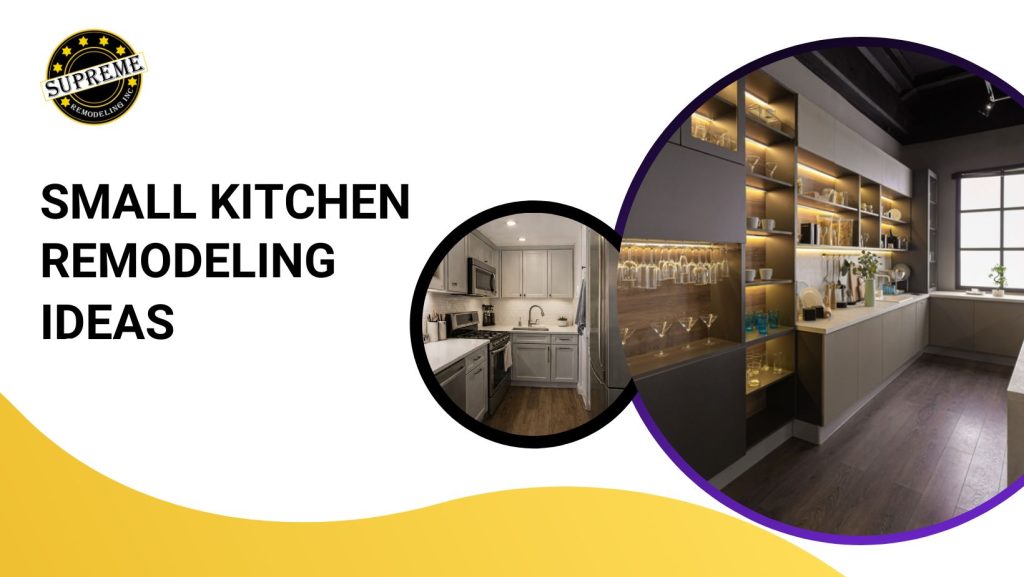
Small kitchens are annoying, but they are much more fixable than most individuals believe. The right small kitchen remodeling ideas can help you transform a tiny cooking area into a space that can really work according to you on a daily basis.
The majority of the homeowners believe that they require additional square space in order to resolve the issue, but they do not. A smart layout selection, improved storage, considerate finishes, and limited thoughtful design choices can completely improve the appearance and performance of a small kitchen. Most of the times you already have the space, and you just need to utilize it correctly.
Understanding the Limitations of a Small Kitchen
The layout is the backbone of any good kitchen design. Before you pick a paint color or a new countertop, you need to think about how you actually move through the kitchen.
For compact kitchens, the galley layout and the L-shaped layout are the most efficient options. The galley keeps your stove, sink, and refrigerator within a few steps of each other in a tight, functional corridor. The L-shape opens up one corner of the room and often creates space for a small island or dining area.
The golden rule is keeping your cooking zone, sink, and refrigerator close together in what’s called the work triangle. When those three points are within reach of each other, cooking becomes smoother and faster. That is the foundation of smart small kitchen design: making the space work with you, not against you.
Practical Small Kitchen Ideas to Transform Your Space
Now that you understand the layout, here come the upgrades. These ideas are practical, proven, and designed specifically for homeowners who want real results without the headache.
Choosing the Right Colors and Finishes
Color is one of the most affordable and impactful tools in any kitchen update. Light, neutral tones like whites, soft grays, warm creams, and pale sage reflect light around the room and make the space feel open and airy.
If you want personality, bring it in through accents. A colorful backsplash, warm brass hardware, or a bold pendant light above the sink adds character without making the kitchen feel heavy or closed in.
One smart trick is to keep your upper cabinets lighter than your lower ones. It creates a sense of visual height and stops the room from feeling top-heavy. Consistent finishes throughout also help the space feel more organized and intentional rather than scattered.
Lighting Ideas That Open Up the Space
Good lighting in a small kitchen is multi-layered; for example, ambient ceiling lights set the overall tone, under-cabinet task lighting illuminates your prep areas directly, and accent lighting adds warmth and visual depth to the room. A well-lit compact kitchen always feels bigger than it actually is, while a poorly lit one always feels like a storage closet.
If your kitchen has a window, make the most use out of it. Keep window treatments minimal so natural light can pass in freely. Natural light is free square footage, and it works better than any design trick on this list.
Make a Statement With Backsplash and Countertops
One real advantage of a small kitchen is that you don’t need much material to create a big visual impact. Your backsplash is the perfect place to bring in some personality. A patterned tile, glossy subway tile in an unexpected color, or textured stone can completely change the feel of the room.
For countertops, quartz is a top choice in modern small kitchen design because it is durable, low maintenance, and comes in shades that complement almost any palette. Light-toned quartz with subtle veining reflects light and adds depth to the space. For a polished, cohesive look, extend your countertop material up the backsplash. It creates a seamless flow that makes the kitchen feel more sophisticated and put together.
Space-Saving Storage Solutions
Here is a truth that most people overlook: a small kitchen does not feel small because of its size. It feels small because it is unorganized. Fix the storage, and you fix the entire atmosphere.
Pull-out pantry units work great in narrow gaps between cabinets and appliances. A lazy Susan in a corner cabinet turns completely dead space into accessible storage. Drawer organizers, cabinet pull-outs, and appliance garages keep your countertops clear and give every single item a special space.
Don’t forget to go vertical too. Floor-to-ceiling cabinetry adds serious storage without taking up a single extra inch of floor space. Magnetic knife strips, under-cabinet hooks, and wall-mounted racks are small additions that make a surprisingly big difference.
Multi-Functional Furniture and Fixtures
Every piece of furniture in a small kitchen needs to earn its place. If something only serves one purpose, ask yourself whether it really deserves the space it is taking up.
A rolling kitchen island gives you extra prep surface and storage when you need it, then rolls out of the way when you don’t. A fold-down dining table attached to the wall works the same way: functional when you need it and invisible when you don’t. A kitchen cart with shelves underneath pulls double duty as both prep space and pantry storage.
These are the kinds of changes for small kitchens that don’t cost a fortune but completely change how the space functions day to day.
Decluttering and Minimal Design Approach
Small cooking area updates will never look or feel good if the space is overloaded with stuff. Clutter is the fastest way to undo every smart design decision you make.
A minimal approach doesn’t mean cold or boring; it means intentional. Keep only what you actually use on display. Store everything else out of sight. Choose a few quality pieces that look good together rather than filling every surface with mismatched items.Open shelves work beautifully in a minimal kitchen because they show off what you choose to display. But they require discipline. Only put things on open shelves that are both functional and attractive, for example, beautiful dishes, matching glasses, a small plant, and a cookbook. If your shelves end up holding random canned goods and unused gadgets, that is a storage problem, not a design feature.
Consider Opening Up the Space
If your kitchen is separated from the living or dining area by a non-structural wall, removing it could be the single biggest improvement you make. An open-plan layout instantly multiplies how spacious the kitchen feels. Light flows freely through the space, the cook is no longer isolated from the rest of the home, and the kitchen becomes part of everyday life rather than a separate box tacked onto it.
This is the kind of structural work that needs a licensed contractor who knows which walls can safely come down, how to navigate the permitting process, and how to blend the two spaces together seamlessly. If it is done right, it is genuinely transformative.
Final Thoughts
A small kitchen does not have to feel like a compromise. With the right small kitchen remodeling ideas, smart layout choices, intentional storage, and thoughtful design, even the most compact cooking space can feel open, functional, and genuinely enjoyable to be in.
Every smart decision in a small space carries more weight, and that is actually a good thing. At Supreme Remodeling Inc., we have spent many years helping homeowners get the most out of their kitchens, big and small. If you are ready to transform your compact kitchen into a space you are proud of, we are just a call away.
Frequently Asked Questions
What are the best small kitchen remodeling ideas to maximize space?
Focus on smart layout, floor-to-ceiling cabinetry, pull-out storage, light colors, and compact appliances. These changes make even the smallest kitchen feel more open and functional.
How much does a small kitchen remodel cost?
Costs typically range from $15,000 to $50,000 depending on materials, scope, and whether plumbing or structural changes are involved. A free in-home quote gives you the most accurate number.
What kitchen layout works best for a small kitchen?
Galley and L-shaped layouts are the most efficient. Both keep your cooking zone, sink, and refrigerator within close reach, reducing unnecessary movement and maximizing every inch.
Does a small kitchen remodelincrease home value?
Yes. Kitchen remodels consistently deliver strong returns, especially in competitive markets like Los Angeles. A modernized, functional kitchen makes the home more attractive.
Do I need permits for a kitchen remodel?
Cosmetic updates typically don’t require permits. Plumbing, electrical, or structural work does. A licensed contractor handles all necessary permits and ensures full compliance with the city’s codes.